Building AI That Solves Real Business Problems: The Path from Data to Impact
Artificial intelligence has become central to modern business innovation, but many organisations struggle to turn its promise into real, measurable results. Too often, AI is treated as a buzzword or symbol of progress. True transformation happens when data, technology, and people work together in alignment.
Successful AI adoption starts with clarity of purpose, not technology. AI becomes impactful when embedded in everyday decision-making enhancing judgment, not just automating tasks.
Redefining Digital Transformation
Digital transformation is ongoing, not a one-off initiative. Companies that succeed treat data as a strategic asset, investing in collection, management, and refinement. Strong data foundations allow organisations to:
- Anticipate trends
- Respond faster to change
- Make decisions based on insight rather than intuition
Turning AI Into Real Business Value
Effective AI development begins with clear business goals. The process involves:
- Defining objectives
- Identifying relevant use cases
- Designing systems that integrate with existing operations
Collaboration, iterative development, and shared ownership ensure solutions align with real business needs. Agile methods refine solutions continuously.
Examples of AI in Practice
- ScoutLense: Analyses football player data and market trends.
- PharmaSolve Assistant: Delivers drug usage information for pharmaceutical companies.
- Solvy: A chatbot automating repetitive queries.
- Data Model Assistant: Supports creation of industry-specific data models.
Success comes from solving clear, measurable business challenges, not demonstrating technology for its own sake.
Key Takeaway
AI succeeds when organisations:
- Start with business needs
- Build on strong data foundations
- Align people, processes, and technology
- Focus on measurable outcomes

The Real AI Power Play: Who Controls Your Enterprise Data Layer

AI can introduce complexity if the enterprise data layer is fragmented. Data spread across multiple systems, such as CRM, ERP, data lakes, and third-party sources creates inconsistency, duplication, and poor quality. AI outputs are only as reliable as the data they consume.
Why the Data Layer Matters
While models and tools are important, the real differentiator is data quality and accessibility. A strong data layer provides:
- Unified, consistent data
- Real-time updates
- Relationships between key entities
- Governance and compliance controls
Without it, AI becomes unreliable or fragmented.
From Silos to a Unified Data Foundation
Unifying data requires:
- Integrating multiple sources
- Cleaning and standardising data
- Resolving duplicates
- Creating a single, trusted view
Advanced approaches, like data graphs, capture relationships between entities, adding context for AI insights.
Control = Competitive Advantage
Organisations that control the data layer gain:
- Faster insights
- Greater trust in AI outputs
- Better compliance and transparency
- Scalable AI
The key strategic question: build, buy, or partner? Successful enterprises often combine approaches, buying foundational platforms while building differentiated capabilities.
Conclusion
AI success relies on a strong, trusted data foundation, not just advanced models.
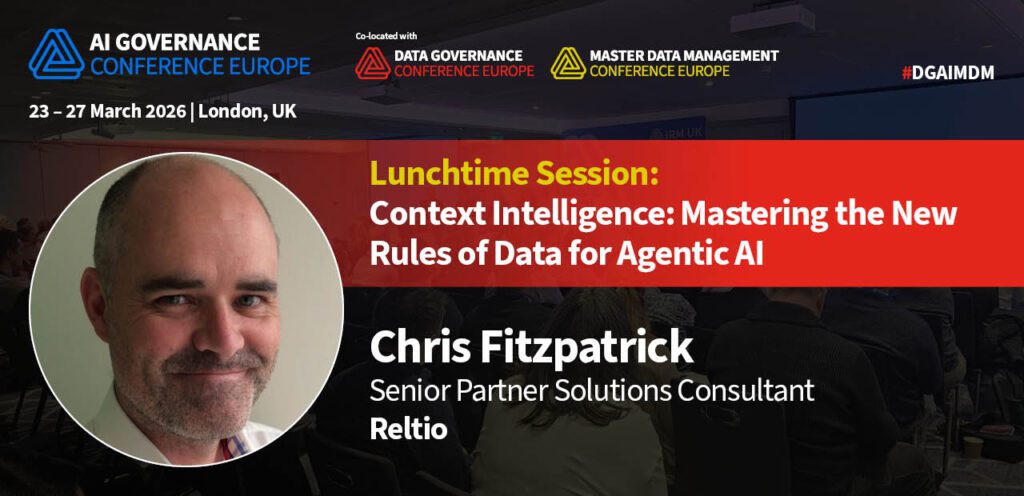
Case Study – Elsevier: Building a Trusted Data Foundation with Master Data Management

Elsevier, a leading scientific, technical, and medical information provider, faced complexity in managing customer and product data due to multiple systems and acquisitions.
The Challenge
- Data spread across legacy platforms and spreadsheets
- Integration issues
- Lack of governance limiting accuracy and trust
This made it difficult to deliver accurate product information and strong customer experiences.
The Strategy
Elsevier implemented a Master Data Management (MDM) solution from Semarchy to:
- Centralise data
- Standardise governance rules
- Improve customer data visibility
Results
- Improved data integration efficiency
- Better customer experience through consistent product data
- Stronger business insights from real-time analytics
- Reduced costs and improved compliance
Lesson
AI and analytics succeed only on trusted, well-governed data. A unified data foundation allows scaling, better customer interactions, and turning data into a strategic asset.
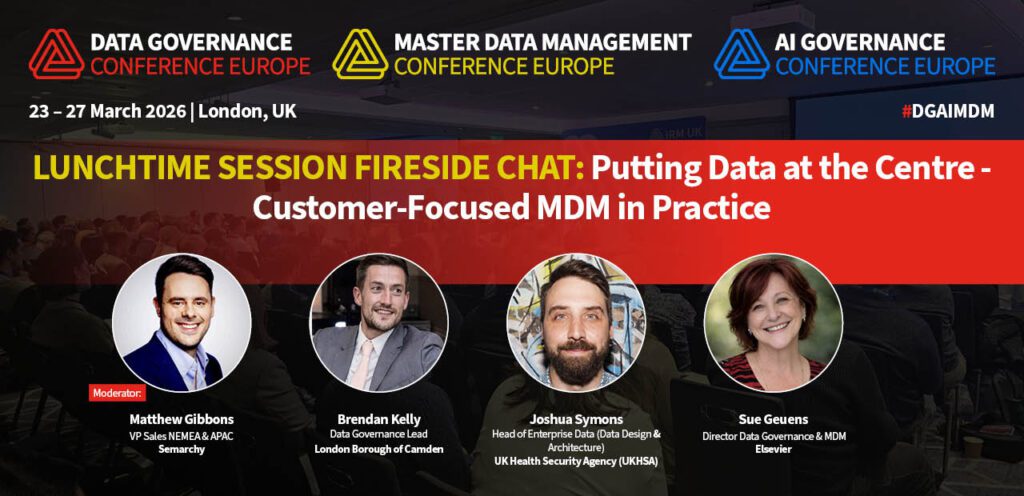
From Fragmentation to Clarity: How a Global Tech Leader Transformed Master Data with Moody’s

A global technology company struggled with fragmented master data across customers, suppliers, and products, limiting operational efficiency and decision-making.
Transformation Approach
Engaged Moody’s to build a trusted, integrated master data layer, rather than another silo:
- Unify fragmented source systems
- Enhance visibility of suppliers and customers
- Improve governance and data quality
Impact
- Better decision support via reliable analytics
- Stronger operational efficiency by reducing duplicates
- Foundational readiness for AI and automation
The project highlights that solving fragmentation at the data layer is a prerequisite for scaling digital transformation.
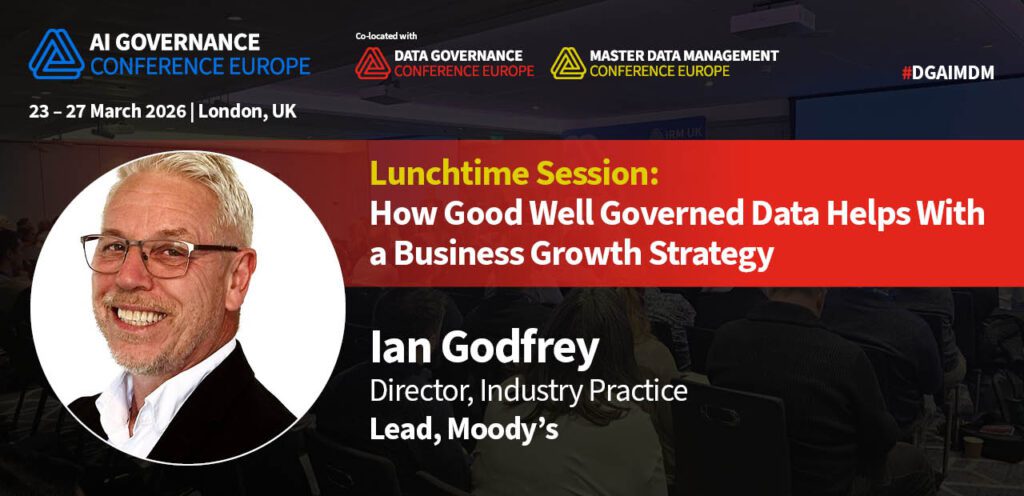
Improved Productivity Across Compliance Operations by 30% for a Global Wealth Management Firm

A global wealth management firm struggled with manual compliance operations, including capturing and reviewing communication recordings across multiple systems.
Challenges
- Microsoft Teams solution not fit for compliance
- Data silos across systems
- Difficulty meeting regulatory requirements
- Time-consuming manual review of recordings
Solution
Implemented an integrated platform using Insightful Technology solutions:
- OneSource – centralises data
- Fusion – ingests data from multiple sources
Deployment took nine weeks, enabling centralised data management and compliance reporting.
Results
- Unified dashboard connecting all compliance data
- Eliminated silos, reducing manual effort
- 30% productivity improvement in compliance operations
Summary
Centralised, governed compliance technology significantly improves efficiency and ensures regulatory compliance.